
English| EUR
Suggested for you
More currencies
Choose a language
The Pallay Punchu hike sits at 4,900 meters above sea level in Peru's Cusco Region, where thin air and steep volcanic slopes create a moderate to challenging trek. This guide breaks down the physical demands, terrain variables, and acclimatization factors that determine whether the hike matches your fitness level.
Quick answer
The Pallay Punchu hike difficulty is rated moderate to challenging, primarily due to the 4,900-meter elevation rather than technical terrain. Most visitors with regular fitness complete the 3-4 hour round trip, but altitude affects everyone differently. Adequate acclimatization in Cusco for at least two days before attempting the hike significantly improves success rates and reduces altitude-related discomfort.
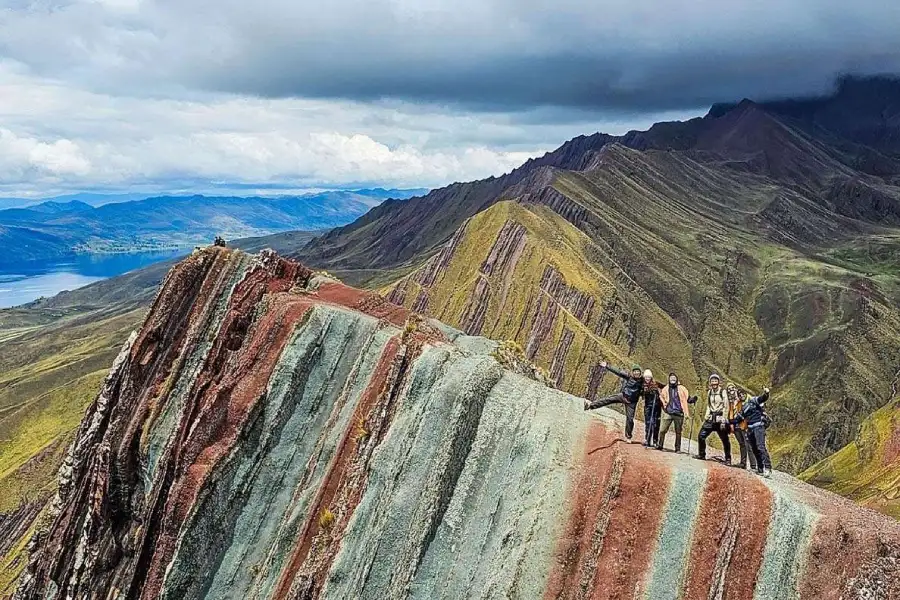
Pallay Punchu reaches 4,900 meters above sea level, placing it in the threshold zone where reduced oxygen levels affect even conditioned athletes. The elevation alone categorizes this as a high-altitude trek, and the body's response to thin air becomes the primary variable in how hard the hike feels. The trail itself follows a gradual ascent across open puna grassland before transitioning to steeper volcanic slopes near the ridgeline. Unlike technical alpine routes, Pallay Poncho requires no scrambling or specialized equipment, but the combination of altitude and incline creates cumulative fatigue. The Pallay Punchu hike difficulty stems less from the terrain's technical demands and more from cardiovascular load at elevation. Visitors accustomed to sea-level environments often underestimate how quickly breathlessness sets in above 4,500 meters, even on terrain that would feel easy at lower altitudes. Weather compounds the physical challenge. Mornings between 07:00 and 11:00 offer stable conditions, but afternoon winds arrive with little warning, adding cold stress and making balance harder on exposed ridges. The mineral-rich slopes that create Pallay Poncho's striped appearance remain stable underfoot when dry, but clay layers turn slick after rain. Trekking poles provide meaningful stability assistance, particularly on the descent when knee strain peaks. Acclimatization remains the single most effective preparation tool. Spending 48 to 72 hours in Cusco at 3,400 meters before ascending to Layo District allows hemoglobin adaptation and reduces acute mountain sickness risk. Hydration, deliberate pacing, and controlled breathing techniques further mitigate altitude effects. The 10 PEN community entrance fee grants access to trails maintained by local residents who know current conditions and can adjust route recommendations based on recent weather patterns. Fitness baselines matter, but altitude equalizes capability more than most expect. Regular hikers with no high-altitude experience may struggle, while moderate-fitness individuals who acclimatize properly often complete the trek comfortably. The trail rewards preparation over raw endurance, and understanding your body's altitude response proves more valuable than peak cardiovascular fitness alone.
“The trail rewards preparation over raw endurance, and understanding your body's altitude response proves more valuable than peak cardiovascular fitness alone.”
The Pallay Punchu hike ascends approximately 400 meters over 3.5 kilometers from the trailhead in Layo District to the summit at 4,900 meters. Most hikers complete the round trip in 4 to 5 hours, depending on acclimatization and pace.
The trail begins at the northwest edge of Layo village at approximately 4,500 meters elevation. Many hikers misjudge the starting altitude and set too aggressive a pace in the first 20 minutes.
The first kilometer covers open puna grassland with a steady 8-10% gradient, gaining roughly 100 meters. Loose scree appears in patches; test each foothold rather than trusting the surface.
Between 4,600 and 4,750 meters the trail crosses a wide scree band where the path is less defined. Stay on the visible cairn line to avoid unnecessary elevation loss when the route zigzags.
The last 150 vertical meters follow a narrow ridge with exposure on both sides and sections of Class 2 scrambling over stable rock. Wind accelerates along this ridgeline, and many hikers underestimate the effort required at this altitude.
The trail tops out on a broad, gently sloped summit area marked by colorful prayer flags and a stone apacheta. The exposed position at 4,900 meters means weather can change rapidly; plan your turnaround time before you arrive.
The best arrival window is 07:00–11:00, as this period provides clearer weather and optimal light before afternoon wind and potential cloud cover increase the difficulty of the hike.
Clear skies, 2°C–15°C. Stable conditions facilitate easier navigation of the trail.
Occasional rain, 5°C–18°C. Trails may be muddy and more physically demanding.
—
Reduced trail traffic allows for a steadier pace, which helps manage exertion levels at high altitude.
Verdict: For the most manageable conditions, plan your visit for a weekday between May and September, arriving within the 07:00–11:00 window to avoid adverse weather.
High-altitude preparation and proper gear are essential for this strenuous 5,200-meter hike.
The Pallay Punchu area is accessible throughout the week to accommodate visitors planning their trek. The site remains open daily to provide access to the trail regardless of the day.
Everything you need to know about pallay punchu hike difficulty
The pallay punchu hike difficulty is primarily determined by its high altitude and steep, uneven terrain. Most hikers encounter significant breathlessness due to the thin air, making steady pacing essential for a successful ascent. Visitors should be prepared for strenuous physical activity in a remote environment.
While manageable for active individuals, this mountain trek is not considered easy due to the elevation. Those with limited experience should ensure they have proper fitness levels before starting. We recommend reviewing our dedicated step-by-step guide to better understand the physical demands involved.
The elevation at this Cusco landmark significantly increases the pallay punchu hike difficulty for unprepared travelers. Oxygen levels are lower than at sea level, which can cause fatigue or headaches. Taking time to adjust to the Andean environment before your excursion is highly advised.
While no formal climbing certification is required, good cardiovascular health is strongly recommended. Maintaining a consistent, slow pace helps manage the physical strain of the ascent. Proper preparation ensures you can enjoy the experience without overexertion.
The trail consists of natural, unpaved surfaces that can be slippery or loose in certain sections. Navigating these paths requires stable footwear and careful attention to your footing throughout the climb. Sturdy boots with good ankle support are generally favored for this rugged landscape.
While the trail remains consistent, weather conditions can indirectly influence the pallay punchu hike difficulty during the rainy season. Clearer skies and stable ground are more common during the dry months, which typically makes navigation easier. Always check local forecasts before your departure.
Yes, spending time in Cusco or surrounding areas before your visit is crucial for managing the impact of altitude. Acclimatization helps your body adjust to the thinner air, significantly reducing the intensity of the trek. Arriving well-rested is the most effective way to prepare for your day in the Layo district.